2026-10-30
Beyond the Diagnosis
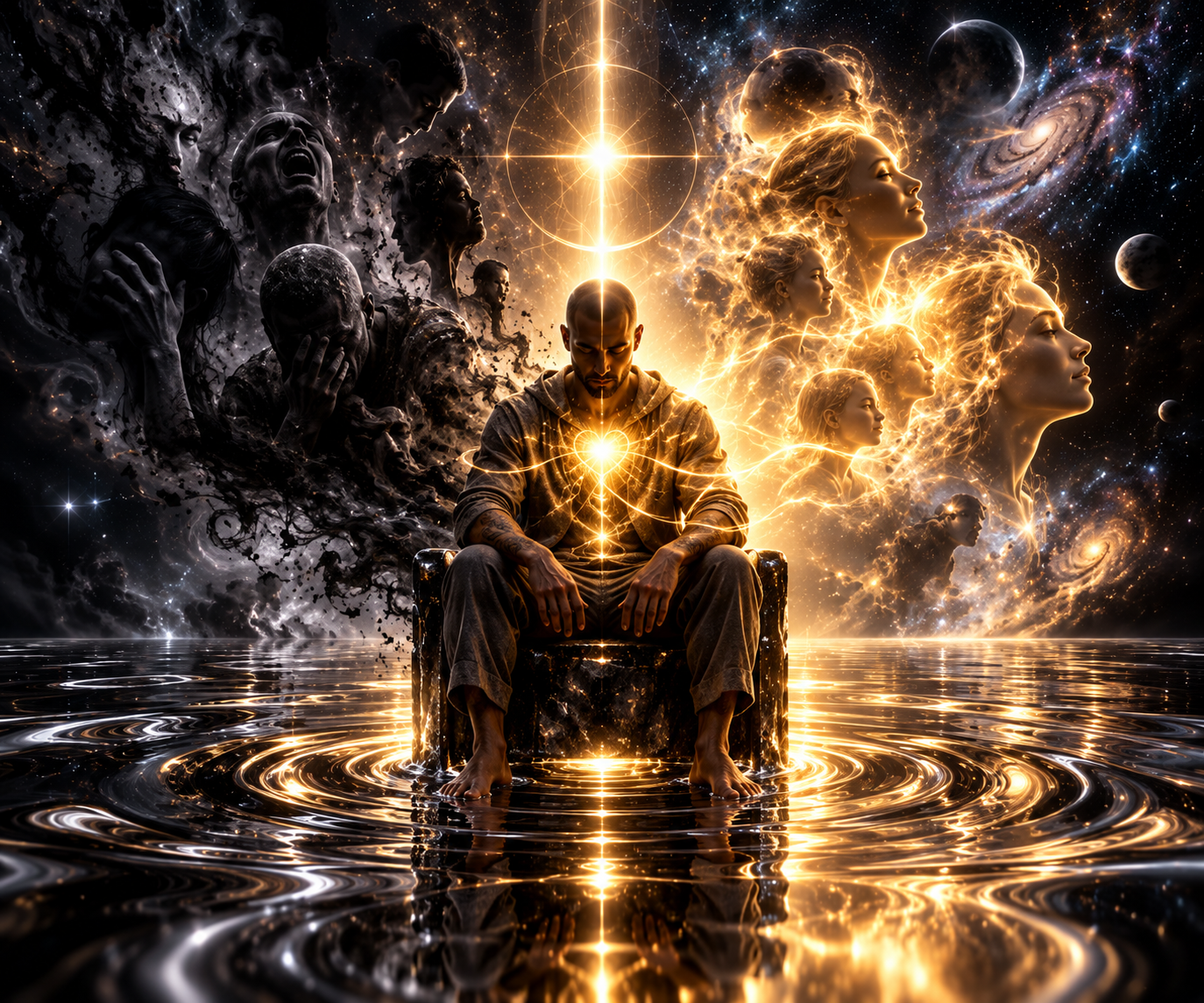
The Person Behind the Symptoms
Mental health is a complex and dynamic subject.
The field of mental health is continually evolving, with new developments, theories, insights and treatments being explored and developed.
Unlike a broken bone, where there is often a relatively established course of treatment and recovery, the human brain, nervous system and mind are vastly more complex, both in how difficulties manifest and how they are treated.
What works for one person may not work for another, for so many different reasons.
One day, week or month, you may feel as though you're moving forward, making progress and managing life reasonably well.
Then, sometimes, a seemingly insignificant event or experience can awaken deep-rooted trauma, triggering a response within the nervous system, brain and psyche.
I had one such experience today.
And after trying to get to grips with the symptoms I experienced, I found myself dealing with something else.
Shame.
The shame of feeling weak.
Vulnerable.
Broken.
And because these feelings and thoughts are themselves part of our psychological experience, they can create a vicious cycle.
The emotional aftermath can become another trigger, potentially intensifying or reawakening the very symptoms we're trying to manage.
In my case, those symptoms can include panic, paranoia and hallucinations.
And sometimes, the most difficult part isn't just the initial experience.
It's what happens within my own mind afterwards.
I'm writing this for two reasons.
Firstly, because I need to vent and express what I've experienced.
And secondly, because I want others who experience mental health difficulties to know that they're not alone.
Mental health challenges affect a significant proportion of people throughout their lives, and for many, these difficulties are long-term.
I'm not looking for pity.
I'm sharing this because I want to help break down stigma and raise awareness of the realities that I, and countless others, experience.
We are not our diagnoses.
We don't ordinarily define someone experiencing cancer solely by their illness.
And thankfully, many of the derogatory labels once commonly used towards people with physical disabilities are increasingly recognised as unacceptable.
So I hope that one day we can move away from routinely defining people experiencing mental health difficulties as schizophrenics, depressives and other diagnostic labels.
Because behind every diagnosis is a person.
A life.
A history.
Hopes, dreams, relationships, struggles and aspirations.
There is a human being beyond the diagnosis.
And I, like I'm sure so many others, work every day to live through and beyond the challenges associated with mine.
Normally, I don't particularly concern myself with what others think of me.
But as I mentioned, today I experienced something that triggered my symptoms, leaving me feeling vulnerable once again.
And then came the additional struggle of my own mind turning against me, questioning my strength and making an already difficult experience even harder.
But perhaps part of the journey is recognising that experiencing vulnerability doesn't make us weak.
That having difficult days doesn't erase the progress we've made.
And that our worth as human beings isn't determined by how well we're coping on any particular day.
So, if you experience anything like this, I want you to know something.
You're not alone.
You're not broken.
And your life has worth.
Beyond the symptoms.
Beyond the struggles.
Beyond the diagnosis.
There is still you.
A human being deserving of dignity, compassion, understanding and love.
🤍✨️🙏🏽